Why Collectors Buy Emerging Artists Early
Ask any serious collector where their most meaningful purchases came from, and the answer is usually the same: early in an artist’s career. When a piece of art stops you, that feeling is reason enough to buy it. But digging deeper to understand the artist—beyond the initial emotional response—makes those pieces even more meaningful over time. Here’s what collectors know, and how to start looking the same way.
If you’ve read this far, you probably already have a sense of the answer, but it’s worth saying directly before getting into the how.
Emerging art is where the most interesting collecting happens. The work is accessible, the artists are reachable, and buying at this stage means owning something made by someone still in the middle of building their practice. The personal dimension is real, too. Studio visits, direct relationships, and watching a career develop in real time. That kind of proximity isn’t available once an artist reaches a certain level.
When you buy from an emerging artist, you’re helping sustain someone’s practice at the moment it needs sustaining most. If you’re still unsure, Why Supporting Emerging Artists Matters covers the full picture.
The Signals That Actually Matter
This is where most collecting advice stops at “buy what you love” and leaves you to figure out the rest. Here’s what experienced collectors look at to better understand where an artist is in their career.
Consistency of visual language
is easy to overlook and hard to fake. A coherent, evolving body of work signals that an artist knows what they’re doing and is developing it with intention. Scattered output, jumping between styles, mediums, and subjects without apparent reason, suggests an artist still searching rather than building. You want to see development, not restlessness.
Gallery representation
Not just whether an artist is represented, but by whom. Galleries work with emerging talent to invest in career development, exhibitions, and introductions to curators and institutions. An artist showing with a gallery that has a track record of nurturing practices is an artist whose work is being taken seriously by people whose job it is to look carefully.
Exhibition progression
tells you how the practice is developing. The progression that matters is: group shows in curated contexts → solo shows → museum or foundation inclusion. Curatorial selection—being chosen by an institution or a respected independent curator—signals that the work is registering beyond the immediate art community.
Press coverage tends to follow rather than lead, so don’t weigh it too heavily on its own.
CV markers
give you institutional context. MFA training from a reputable program, artist residencies, grant awards, and juried exhibition selection indicate an artist who is serious about their practice and has been recognized by the art world.
Where to Find Emerging Artists Worth Collecting
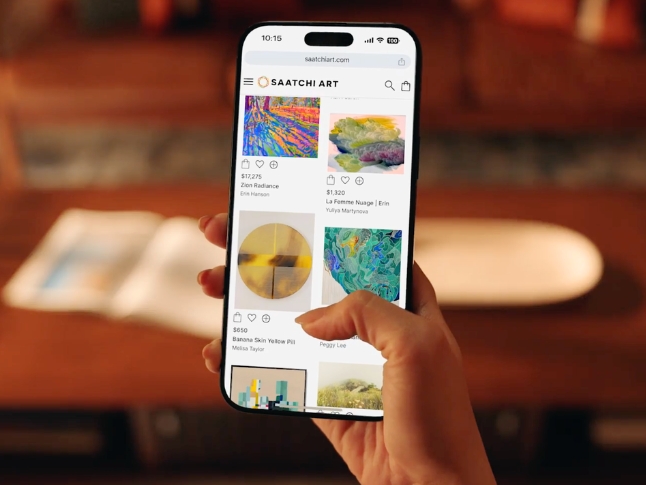
Start on Saatchi Art
The Rising Stars and Ones to Watch represent up-and-coming artists whose work and practice have been vetted by curators and art advisors. It’s the most direct route to emerging artists worth paying attention to, without having to research from scratch.
Follow galleries and curators on social media
Galleries that work with emerging talent will show you artists before they’re widely known. Curators signal what the broader art world is paying attention to. This is how you develop an eye over time.
Go to art fairs
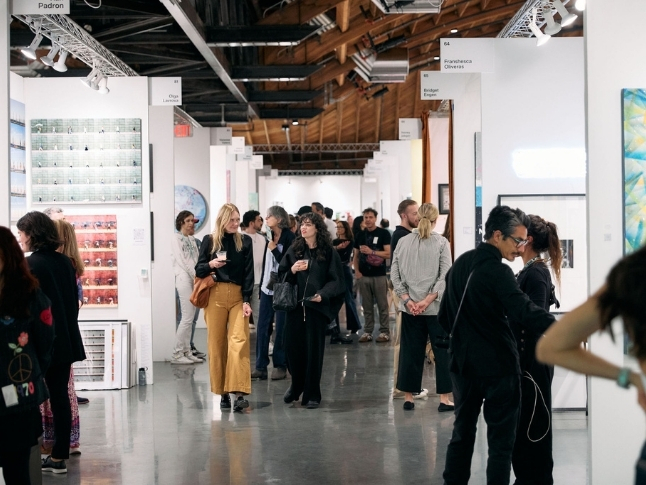
The Other Art Fair showcases thousands of emerging artists each year, and it’s one of the best places to see a lot of work quickly, meet artists directly, and develop a sense of what a strong practice looks like at this stage of a career.

Attend degree shows
MFA exhibitions are where practices begin. Buying at this stage puts you in direct contact with artists at the moment when collector support matters most and when the connection between you and the work is most direct.
Discover Emerging Artists
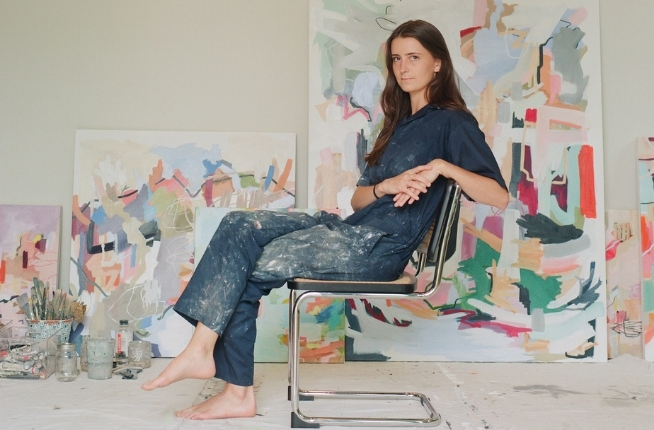
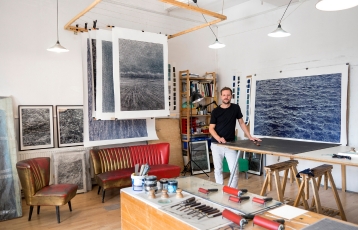
Uncover recent art school graduates on our radar.